Invited Speakers

Dr. Avala Lavakumar
Department of Metallurgical & Materials Engineering Indian institute of Technology Ropar
Dr. Avala Lavakumar is an Assistant Professor in the Department of Metallurgical and Materials Engineering at Indian Institute of Technology Ropar, India. He earned his Ph.D. in Materials Science and Engineering from Kyoto University as a recipient of the prestigious MEXT Fellowship. Following this, he worked as a Postdoctoral Researcher at Kyushu University, where he specialized in in-situ and ex-situ electron microscopy, along with synchrotron-based investigations of steels, titanium alloys, and high-entropy alloys. His research centers on in-situ deformation studies, phase transformation–induced plasticity (TRIP/TWIP), dislocation behavior, high- and medium-entropy alloys, steels, titanium alloys, and sustainable materials processing.
Dr. Lavakumar has received several recognitions, including the Kazato Research Foundation Grant (2023) and the Early Career Scientist Award from the Japan Society for the Promotion of Science. He has presented his research at major international conferences across Japan, the USA, Denmark, and India, and actively collaborates with leading researchers worldwide.
He has authored multiple papers in leading international journals and is the author of the book Concepts in Physical Metallurgy. He also serves as a Divisional Editor for ASM Handbook: Volume 27 – Renewable Materials (expected 2027) and as an Executive Guest Editor for a special issue of the Journal of Alloys and Compounds. In addition, he is an Editorial Board Member of Scientific Reports.
Unusual behaviour of Martensite: From Hard Phase to Plasticity Carrier
Martensite in steels exhibits complex mechanical responses that extend beyond conventional strengthening paradigms. This talk addresses three unconventional aspects spanning thermal and deformation-induced martensite. In thermally formed martensitic steels, solute segregation is shown to significantly influence yield strength under ultra-low strain rate conditions (~ 10^(-6) s^(-1)), highlighting rate-sensitive strengthening mechanisms. In addition, in-situ synchrotron X-ray diffraction shows that fully martensitic steels can sustain near steady-state plastic flow beyond necking, with signatures of room-temperature dynamic recovery. Extending this perspective, deformation-induced martensite in TRIP-assisted steels is not merely a hard phase but an active carrier of plasticity: at early stages, it accommodates significant deformation through transformation-assisted mechanisms, delaying localization. With increasing strain, subsequent hardening promotes strain redistribution toward ferrite. These results collectively highlight the intrinsic deformability of martensite and its evolving role in governing strength, ductility, and damage evolution in steels.
Keywords: Thermal martensite, Transformation-induced plasticity (TRIP), Deformation-induced martensite, In-situ synchrotron X-ray diffraction, Post-necking behavior

Dr. Chaiyasit Banjongprasert
Severe Plastic Deformation of Aluminum Anodes for High-Performance Aluminum-Air Batteries.
The global transition toward renewable energy requires advanced energy storage systems with high energy densities and low production costs. Among various candidates, metal-air batteries have attracted significant attention due to their exceptionally high theoretical energy densities and environmental compatibility. In particular, aluminum-air (Al-air) batteries demonstrate strong potential for commercialization because aluminum is inexpensive, abundant, and environmentally benign. However, widespread commercialization remains challenging due to severe anodic corrosion, which reduces anode utilization efficiency and limits battery lifespan. To address these issues, severe plastic deformation (SPD) techniques were implemented to fabricate aluminum anodes with enhanced electrochemical performance. The SPD methods employed in this study include equal-channel angular pressing (ECAP), friction stir processing (FSP), severe cold rolling, and cold spray processing. The results revealed that SPD significantly refined the microstructure, reducing the average grain size from several hundred micrometers to below 10 μm, and in some cases to the ultrafine-grained regime of less than 1 μm. This grain refinement altered the corrosion behavior of the aluminum anodes from localized pitting in coarse-grained structures to more uniform intergranular corrosion in fine- and ultrafine-grained structures. Consequently, the aluminum anodes exhibited improved utilization efficiency, leading to enhanced energy density. The electrochemical performance of aluminum anodes fabricated using different SPD techniques, together with their scalability, is compared and discussed. The findings highlight the potential of SPD-based microstructural engineering for developing high-performance and commercially viable Al-air battery systems.

Dr. Hoa Van Hien
Department of Nano Convergence Engineering, Jeonbuk National University, Republic of Korea
Dr. Hoa Van Hien received his Engineer's degree in Materials Science and Engineering from Hanoi University of Science and Technology, Vietnam, and his Ph.D. in Engineering from the Department of Nano Convergence Engineering, Jeonbuk National University, Republic of Korea, in 2021. He is currently a Research Assistant Professor in the Department of Nano Convergence Engineering at Jeonbuk National University.
His research focuses on the design and development of advanced nanomaterials for sustainable energy conversion and green hydrogen production. His expertise encompasses graphene-based materials, carbon nanotubes, transition-metal compounds, single-atom catalysts, phase-engineered materials, and heterostructured nanomaterials. His current research interests include electrocatalysis for water splitting and seawater electrolysis, as well as applications in fuel cells, batteries, and other renewable energy technologies.
Dr. Hien has developed highly efficient and durable catalytic systems through innovative approaches involving transition-metal phosphides, sulfides, oxides, atomically dispersed active sites, and interface engineering. His work has contributed to a deeper understanding of electronic structure modulation, charge redistribution, phase reconstruction, interfacial interactions, and catalytic reaction mechanisms.
He has published extensively in leading international journals, including Applied Catalysis B: Environmental, Nano Energy, Advanced Functional Materials, and Progress in Materials Science. His long-term research goal is to develop next-generation multifunctional electrocatalysts and advanced heterostructured materials for efficient, scalable, and sustainable hydrogen production, supporting the global transition toward carbon-neutral energy systems.
The rapid depletion of fossil fuels and the continuous increase in carbon dioxide (CO₂) emissions have accelerated the global transition toward sustainable and carbon-neutral energy technologies. Among various renewable energy carriers, green hydrogen produced via water electrolysis powered by renewable energy sources has emerged as a promising solution due to its high energy density, environmental compatibility, and integration potential with fuel-cell technologies. However, the widespread deployment of water electrolysis remains hindered by the sluggish kinetics of the hydrogen evolution reaction (HER) and oxygen evolution reaction (OER), together with the high cost and limited availability of noble-metal-based electrocatalysts. To address these challenges, extensive efforts have been devoted to developing alternative catalytic materials, including alloys, high-entropy alloys, transition-metal phosphides, carbides, sulfides, and oxides. Nevertheless, many of these catalysts still suffer from insufficient intrinsic activity, limited long-term durability, and structural instability under harsh operating conditions. Therefore, the rational design of highly efficient and robust electrocatalysts remains a critical research priority for sustainable hydrogen production. In this work, we report the synthesis and application of advanced single-atom-doped heterostructured electrocatalysts through synergistic interface engineering, heteroatom incorporation, and electronic structure modulation. By integrating atomically dispersed active centers with multifunctional heterointerfaces, the resulting catalysts exhibit enhanced active-site utilization, accelerated charge-transfer kinetics, enlarged electrochemically active surface areas, and optimized adsorption/desorption energetics of reaction intermediates. Consequently, the developed catalysts demonstrate outstanding HER and OER activities in alkaline media, enabling overall water splitting at cell voltages below 1.55 V at practical current densities. Furthermore, when employed in alkaline water electrolyzer systems, the catalysts achieve industrially relevant performance with cell voltages below 1.90 V at 1 A cm⁻² and retain more than 90% of their initial activity after 1000 h of continuous operation. These results highlight the effectiveness of single-atom doping and heterostructure engineering in constructing next-generation electrocatalysts for efficient hydrogen production and renewable energy conversion. This work not only provides a scalable strategy for the development of high-performance electrocatalysts but also offers fundamental insights into the structure–activity relationships governing electrochemical energy-conversion processes.

Dr. Seong-Yong Jeong
Division of Advanced Materials Engineering, Kongju National University, Republic of Korea
Seong-Yong Jeong is an assistant professor in the Division of Advanced Materials Engineering at Kongju National University, Republic of Korea.
He received his B.S. in Materials Science and Engineering from Jeonbuk National University in February 2015 and his Ph.D. in Materials Science and Engineering from Korea University in February 2021. He was a postdoctoral associate in the Department of NanoEngineering at University of California San Diego (UCSD) from March 2022 to February 2023 and in the Department of Biomedical Engineering at the University of Michigan from March 2023 to August 2023.
His research focuses on the design and development of advanced gas sensors using nanostructured metal oxides, bilayer sensor architectures, and micro-gas chromatography (μ-GC).
Oxide-based chemiresistors have been widely investigated and applied to detect gases due to their advantages such as high response, simple structure, facile miniaturization, and fast response time. With rapid progress in sensor networks and computing technologies, the applications of gas sensors have expanded into various fields such as medical diagnoses, environmental monitoring, food quality assessment, and electronic nose.
Although considerable efforts have been devoted to enhancing gas-sensing performance through the loading or doping catalysts, the detectable analyte gases are still insufficient for use in new applications and high-performance electronic noses. Moreover, the resistance of catalyst-loaded or doped sensors often becomes excessively high to be measured with conventional electrical circuits due to oxygen spillover effects or charge transfer at hetero-interfaces. In addition, catalysts not only enhance the responses to target analyte gases, but can also increase the responses to interfering gases, thereby impeding selective gas detection. Therefore, to overcome the above catalyst-related limitations in gas sensing, a novel gas sensing strategy is required.
This work proposes a bilayer sensor architecture with a nanoscale catalytic overlayer. Unlike conventional single-layer sensors, the bilayer gas sensors can separate the gas-sensing and catalytic reactions into independent processes, which enables highly sensitive and selective gas detection. The advantages of bilayer sensors include the suppression of cross-responses from interfering gases by catalytic filtering and the improvement of responses to target gases through gas reforming. These advantages highlight the potential of bilayer gas sensors as high-performance gas-sensing platforms with excellent selectivity and sensitivity.
Keywords: Gas sensors, Bilayer, Overlayer, Selectivity, Artificial Olfaction
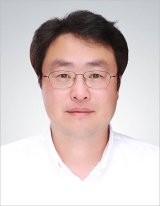
Dr. Seungwon Lee
Department of Materials Design and Engineering, Faculty of Sustainable Design, University of Toyama, Japan Matsuda Laboratory
Dr. Seungwon Lee is an Associate Professor in the Department of Materials Design and Engineering, Faculty of Sustainable Design, University of Toyama, Japan, where he works in the Matsuda Laboratory. He received his Ph.D. in Materials Science and Engineering from Kyushu University in 2012, and his M.S. and B.S. degrees from Kyungpook National University, Korea.
He joined the University of Toyama in 2015 as an Assistant Professor and has been serving as an Associate Professor since 2017. Prior to this, he worked at the International Institute for Carbon-Neutral Energy Research (I2CNER), Kyushu University, under the World Premier International Research Center Initiative (WPI). He has also held visiting research positions at the Norwegian University of Science and Technology (NTNU), University of Rouen, and the Technical University of Košice.
His research focuses on precipitation phenomena and microstructure evolution in aluminum alloys, including Al–Mg–Si, Al–Zn–Mg, and Al–Cu systems. His work emphasizes atomic-scale characterization using TEM/STEM and the effects of alloying elements on precipitation behavior. His research interests also include severe plastic deformation and hydrogen-related phenomena in metallic materials.
Dr. Lee has received several awards, including the Paper Award from The Japan Institute of Metals and the Light Metal Encouragement Prize from The Japan Institute of Light Metals.
Microstructural Characterization and Thermal Stability of CrAlN/SiCN Nanocomposite Coatings
Seungwon Lee1,a*, Taiki Tsuchiya1,b, Kenji Matsuda1,c, Yoshifumi Aoi2,d, Susumu Ikeno3,e, Masateru Nose3,f
1 Graduate School of Science and Engineering for Research, University of Toyama, Toyama 930-8555, Japan
2 Faculty of Advanced Science and Technology, Ryukoku University, Otsu 520-2194, Japan
3 Professor Emeritus, University of Toyama, Toyama 930-8555, Japan
Keywords: Chromium aluminum nitride (CrAlN) coatings, Silicon carbon nitride (SiCN) coatings, Heat treatment, Scanning transmission electron microscopy (STEM), Nanoindentation
CrN/SiCN coatings have attracted attention as protective coatings for cutting tools because of their high hardness and excellent wear resistance. However, under high-temperature cutting conditions, crater wear caused by the diffusion of Fe from the work material into the coating remains a significant issue. In this study, Al was introduced into CrN/SiCN coatings to improve thermal stability and suppress Fe diffusion. CrAlN/SiCN nanocomposite coatings with different Al contents were synthesized using a reactive sputtering process in a facing-target-type magnetron sputtering system, and their microstructure, mechanical properties, thermal stability, and oxidation resistance were investigated.
The as-deposited (Cr0.69Al0.31)N/SiCN coating exhibited excellent mechanical properties, with an indentation hardness of approximately 35 GPa and a Young's modulus of 340 GPa. After heat treatment at 1100 K for 1 h in vacuum, the hardness was further improved, while only a slight decrease was observed after heat treatment in air. SEM-EDS analysis and TEM/STEM observations revealed that Al addition effectively suppressed oxidation and Fe diffusion compared with conventional CrN/SiCN coatings. Furthermore, the formation of reaction products such as Fe–Si and Cr–C compounds was significantly reduced, and grain coarsening was minimized even after high-temperature exposure.
These findings demonstrate that the incorporation of Al is highly effective in improving the thermal stability and oxidation resistance of CrN/SiCN-based coatings. The (Cr0.69Al0.31)N/SiCN nanocomposite coating exhibits a favorable combination of high hardness, resistance to Fe diffusion, and structural stability at elevated temperatures, making it a promising candidate for next-generation cutting tool protective coatings operating under severe machining conditions.

Dr. Tam D. Nguyen
School of Chemistry, Monash University, Australia
Dr. Tam D. Nguyen is currently an ARC Early Career Industry Fellow at the School of Chemistry, Monash University. He earned his Bachelor's degree in Engineering Physics and Nanotechnology from the University of Engineering and Technology, Vietnam National University, Hanoi (VNUH) in 2012. During his undergraduate studies, he received the Temasek Foundation Leadership Enrichment and Regional Networking (TF-LEaRN) Award and spent time at the National University of Singapore.
In 2018, Dr. Nguyen completed his Ph.D. in Materials Science at Nanyang Technological University (NTU), Singapore. He then gained four years of postdoctoral experience at NTU (2018–2020) and Monash University (2021). From February 2022 to September 2024, he worked as a Scientist at Energys Australia Pty Ltd.
Dr. Nguyen is committed to bridging academic research and industry applications. He collaborates with several companies in the field of advanced electrochemical energy storage, including VFlowTech (Singapore), Viettel Manufacturing Corporation, and the Institute of Energy Technology (IET) in Vietnam.
His research focuses on materials and technologies that support renewable energy transformation and storage, particularly in battery energy storage, green hydrogen production, and smart materials for energy conservation.
Grants and funding:
• Dec 2019 — GBP 38,349, Energy Catalyst 2019, UK government Innovation Grant
• May 2023 — IE230100468, ARC Early Career Industry Fellowship 2023
• June 2023 — LP220200956, ARC Linkage Projects 2022
Mailing address: #330, Green Chemical Futures, 13 Rainforest Walk, Clayton VIC 3800, Australia
https://research.monash.edu/en/persons/tam-nguyen
The growing global demand for reliable, affordable, and clean energy continues to drive intensive research into large-scale energy storage and conversion technologies capable of accommodating the inherent variability of renewable energy sources. Despite significant progress, the high cost of many emerging technologies remains a major barrier to widespread deployment, particularly for communities and large-scale energy systems. Addressing this challenge requires innovative advances in materials science and engineering that simultaneously improve performance and reduce production costs.
Our research aims to develop advanced materials and engineering strategies to enhance the efficiency and cost-effectiveness of key energy storage and conversion technologies, with a particular focus on green hydrogen production through water electrolysis and vanadium redox flow batteries (VRFBs).
In the field of water electrolysis, we introduce an innovative electrode configuration designed to improve active surface area, gas release kinetics, intrinsic catalytic activity, and mechanical robustness under practical membrane-electrode assembly fabrication and operating conditions. This approach enables a reduction of approximately 20% in system costs and up to 30% in the overall cost of green hydrogen production.
In parallel, we also advance VRFB technology through the development of a self-thermostable electrolyte material. The electrolyte enables stable battery operation under extreme conditions, including elevated temperatures up to 55 °C and prolonged cycling exceeding 100 cycles, without the need for active cooling systems. Eliminating active thermal management significantly reduces system complexity and cost, leading to an estimated 15–25% reduction in the overall cost of VRFB systems.
Collectively, these innovations contribute to improving the economic viability and scalability of hydrogen and flow battery technologies, supporting their broader adoption in renewable energy storage and conversion markets.

Hyun-Suk Kim (Professor/Ph.D.)
Department of Energy and Materials Engineering, Dongguk University
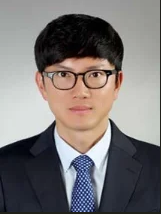
Kim, Jae Hyun (PH.D, Principal Researcher)
Principal Researcher, Division of Energy & Environmental Technology, Professor, Energy Science and Engineering
Daegu Gyeongbuk Institute of Science & Technology
(DGIST) Room 605, 6th Floor, R3 Building, 333 Techno jungangdae-ro, Hyeonpung-eup, Dalseong-gun,
Daegu, 42988, Korea
Keynote speech title goes here
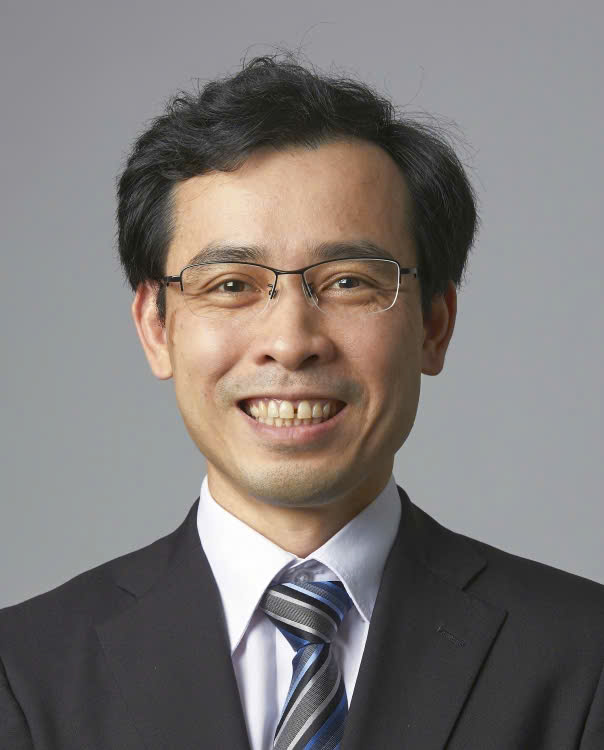
Phạm Hoàng Anh
Faculty of Materials for Energy, Shimane University
Dr. Anh Hoang Pham is an Associate Professor at Shimane University, Japan. He is affiliated with the Faculty of Materials for Energy and the Graduate School of Natural Science and Technology.
Dr. Pham's research focuses on materials science and metallurgy, particularly the formation and evolution of microstructures in metallic materials during various manufacturing and heat-treatment processes. His work emphasizes advanced characterization techniques, including electron microscopy and electron backscatter diffraction (EBSD), to analyze crystallography, grain boundaries, and phase transformations.
His expertise spans areas such as:
• Microstructure evolution in steels and alloys
• Martensitic transformation and crystallography
• Grain boundary characterization
• Mechanical behavior (plasticity) of metallic materials
Dr. Pham has authored and co-authored numerous peer-reviewed publications (40+), contributing to the understanding of structure–property relationships in advanced engineering materials, with particular relevance to steel design and processing technologies.
Origin of Recrystallization in Low Pre-Strained Single-Crystal Ni-based Superalloys
Anh H. Pham1,3,4*, Mitsuaki Takemoto2, Kei Kodera2,4, Satoshi Utada4, Yuanbo T. Tang5, Shigekazu Morito1,3, D Graham McCartney6, Catherine M. Rae7, Roger C. Reed3,6,8
1 Faculty of Materials for Energy, Shimane University, 1060 Nishikawatsu, Matsue, Shimane 690-8504, Japan
2 Graduate School of Natural Science, Shimane University, 1060 Nishikawatsu, Matsue, Shimane 690-8504, Japan
3 Next Generation Tatara Co-Creation Centre, Shimane University, 1060 Nishikawatsu, Matsue, Shimane 690-8504, Japan
4 Research Center for Structural Materials, National Institute for Materials Science, 1-2-1 Sengen, Tsukuba, Ibaraki, 305-0047, Japan
5 School of Metallurgy and Materials, University of Birmingham, Birmingham, B15 2TT, UK
6 Department of Materials, University of Oxford, Parks Road, Oxford, OX1 3PH, UK
7 Department of Materials Science and Metallurgy, Cambridge University, Cambridge, CB2 1TN, UK
8 Department of Engineering Science, University of Oxford, Parks Road, Oxford, OX1 3PJ, UK
Recrystallization (RX) triggered by low macroscopic strains remains a critical challenge for the processing and rejuvenation of single-crystal (SX) Ni-based superalloys. While post-mortem studies have proposed various RX mechanisms, the lack of direct experimental observation has prevented researchers from verifying these theories and determining the dominant mechanism needed to suppress RX in such circumstances. This study uncovers the origin of RX in SX alloys by tracking its transition from surface-initiated events to rare bulk nucleation using in-situ and correlative ex-situ microscopy.
Initially, utilizing in-situ high-temperature laser scanning confocal microscopy, we demonstrate that RX is normally a surface-driven phenomenon. When surface damage is removed, RX nucleation is significantly limited, proving that bulk nucleation requires highly localized driving forces.
To capture these rare bulk events, we developed a correlative interrupted heat treatment technique. By coupling in-situ microscopy with correlative ex-situ EBSD, we recorded the microstructural evolution of the same regions of interest across sequential thermal cycles, providing direct evidence of the RX nucleation process.
Our findings reveal that, for the experimental conditions employed, bulk RX nucleates exclusively at solidification pores, which act as localized strain regions. Direct tracking shows that sharp orientation gradients around these pores drive subgrain coalescence and rotation, aided by preferential γ′ dissolution at the pore's free surface. Subsequently, the newly formed RX grain expands rapidly via a twin-dominated growth mechanism, consuming the locally strained matrix. By providing direct visualization of these microstructural evolution stages, this study conclusively links the origin of RX following low pre-strain to localized strain amplification at free surfaces and internal porosity.

Prof. Dr. Seongchan Kim
School of Materials Science and Engineering, Kyungpook National University, Daegu 41566, Republic of Korea
Prof. Seongchan Kim received his B.S. and Ph.D. degrees from Sungkyunkwan University in 2023. Dr. Kim worked as a visiting scholar at Pennsylvania State University from 2022 to 2024 and at University of Pennsylvania from 2024 to 2025. He then joined the School of Materials Science and Engineering at Kyungpook National University in 2025, where he is currently an Assistant Professor. His research includes (1) neuromorphic devices and artificial synaptic systems, (2) semiconductor-based electronic and optoelectronic devices, and (3) ion-driven interfacial phenomena in advanced materials systems.
Bio-Inspired Electronics Enabling AI Signal-Processing
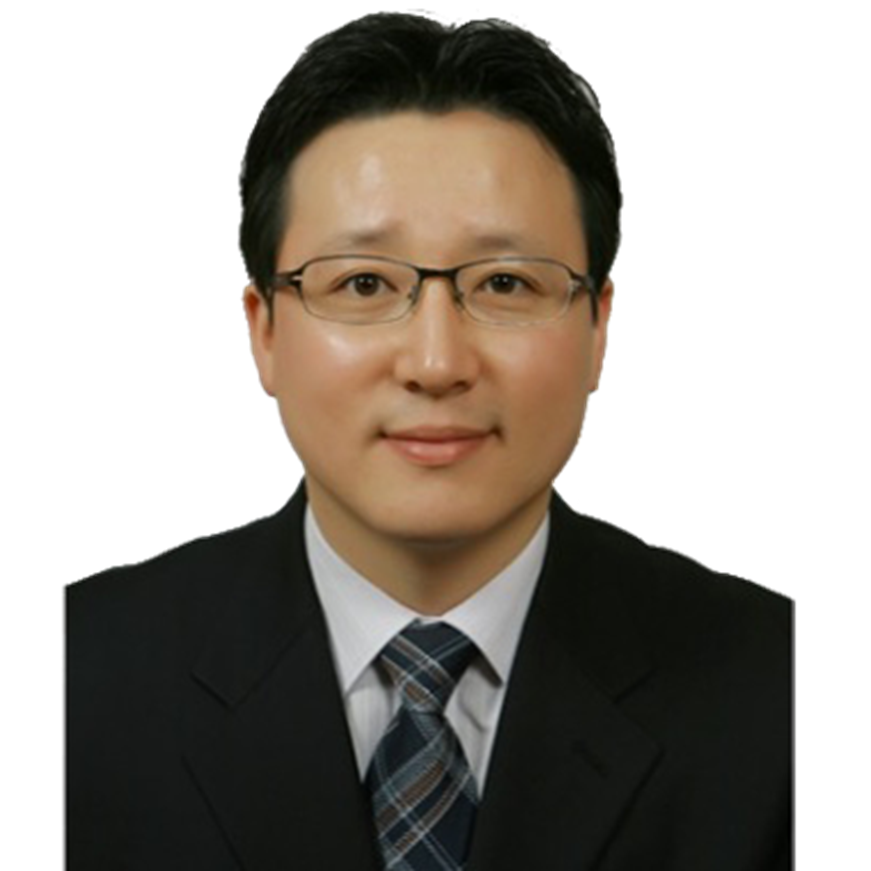
Prof. Dr. Soo Yeol Lee
Department of Materials Science and Engineering, Chungnam National University
Department of Materials Science and Engineering,
Chungnam National University,
99 Daehak-ro, Yuseong-gu, Daejeon 34134,
Republic of Korea
Prof. Soo Yeol Lee received his B.S. and M.S. degree from Korea University and Seoul National University in 2003 and 2005, respectively, and his Ph.D. degree from the University of Tennessee, Knoxville in 2009. Dr. Lee worked as a postdoctoral fellow at the Canadian Neutron Beam Centre of the Chalk River Laboratories from 2010 to 2012, after which he joined to the Department of Materials Science and Engineering of the Chungnam National University(CNU), Korea in 2012. Now he is a Professor of the CNU. His research includes (1) deformation, damage, and failure analysis of various structural materials and (2) the application of neutron and synchrotron X-ray diffraction techniques in materials research.
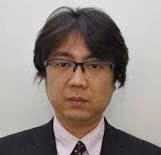
Prof. NANKO Makoto
High Temperature Materials Laboratory, Department of Mechanical Engineering, Nagaoka University of Technology, JAPAN
Prof. Makoto Nanko is a Professor at Nagaoka University of Technology, specializing in advanced metallic materials and their processing for structural applications. His research focuses on lightweight alloys, particularly magnesium-based systems, with an emphasis on improving their mechanical performance, corrosion resistance, and manufacturability.
His work integrates fundamental materials science with practical engineering approaches, aiming to promote the application of lightweight structural materials in transportation and energy-related fields. Prof. Nanko has been actively involved in international collaborations and has contributed to the advancement of environmentally sustainable materials through innovative alloy design and processing technologies.
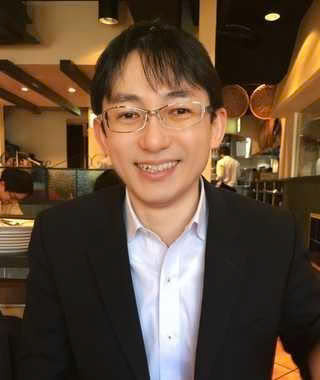
Prof. Takuya Satoh
Department of Physics, Institute of Science Tokyo, Tokyo 152-8551, Japan Quantum Research Center for Chirality, Institute for Molecular Science, Okazaki 444-8585, Japan
Prof. Takuya Satoh is affiliated with the Department of Physics, Institute of Science Tokyo, Japan, and the Quantum Research Center for Chirality, Institute for Molecular Science, Okazaki, Japan. His research focuses on light–matter interaction in solids, chiral phonons, phonon angular momentum, Raman optical activity, circularly polarized Raman spectroscopy, and symmetry-dependent phenomena across materials with distinct crystal symmetries.
Chirality and Angular Momentum of Phonons Probed by Circularly Polarized Raman Spectroscopy
Keywords: chiral phonons, phonon angular momentum, Raman optical activity, circular polarization, multipolar symmetry
Phonons with angular momentum have recently attracted significant attention due to their fundamental role in light-matter interaction and symmetry-dependent phenomena in solids. In this study, we investigate the relationship between chirality and phonon angular momentum using circularly polarized Raman spectroscopy in a range of material systems with distinct symmetry properties.
In the chiral crystal α-HgS, we observe phonon modes exhibiting well-defined pseudo-angular momentum, consistent with symmetry-imposed selection rules for circularly polarized light. The results demonstrate the realization of chiral phonons that break improper rotational symmetry and carry angular momentum [1].
In contrast, centrosymmetric NiTiO3 provides a platform where phonon angular momentum exists without structural chirality. We detect Raman optical activity as a circular intensity difference between opposite helicities, indicating the presence of angular-momentum-carrying phonons in an achiral system. This highlights that phonon angular momentum does not necessarily imply chirality [2].
Furthermore, in pyrite FeS2, we extend this framework to systems hosting higher-order multipolar symmetry. We observe facet-dependent sign reversals in circularly polarized Raman signals, which are consistent with the presence of electric toroidal octupolar symmetry. These results reveal that phonon angular momentum can couple to hidden multipolar degrees of freedom beyond conventional dipolar or ferroaxial descriptions [3].
Together, these results establish a unified experimental framework for probing phonon angular momentum and its connection to chirality across different symmetry classes. Circularly polarized Raman spectroscopy emerges as a powerful tool to distinguish between chiral and nonchiral phonons carrying angular momentum and to uncover symmetry-protected phononic responses in solids.
[1] K. Ishito, H. Mao, Y. Kousaka, Y. Togawa, S. Iwasaki, T. Zhang, S. Murakami, J. Kishine,
and T. Satoh, Nature Phys. 19, 35 (2023).
[2] G. Kusuno, T. Hayashida, T. Nagai, H. Watanabe, R. Oiwa, T. Kimura, and T. Satoh, Phys.
Rev. Lett. to be published (2026).
[3] Y. Suganuma, G. Kusuno, H. Watanabe, R. Oiwa, H. Mori, R. Arita, and T. Satoh,
arXiv:2603.21756 (2026).

Young-Moo Jo
Electrically Conductive MOF-Based Gas Sensing under Light Activation
School of Materials Science and Engineering, Kyungpook National University, 80 Daehakro, Bukgu, Daegu 41566, Republic of Korea
Keywords: Conductive metal-organic frameworks, Light-activations, Room-temperature gas sensors, Reversibility, Electronic-nose.
Recently, electrically conductive metal–organic frameworks (cMOFs) have attracted increasing interest as gas-sensing platforms because of their large surface areas, high porosity, accessible catalytic sites, and intrinsic conductivity under room-temperature conditions. Their modular chemistry, including tunable metal nodes and organic linkers, also enables the development of diverse cMOF compositions, making them suitable for multi-compositional sensor array applications. cMOFs, however, sometimes show incomplete recovery toward strongly adsorbing gases such as NO2, while their responses to weakly interacting gases, including many volatile organic compounds, are often limited.
Photoactivation has recently been explored as an effective approach to mitigate these issues. Most cMOFs consist of anisotropic two-dimensional frameworks, in which electrical transport is governed by in-plane d–π conjugation together with interlayer π–π interactions. These structural and electronic features create multiple energy levels that can participate in photoinduced charge generation. As a result, light irradiation can improve recovery behavior and enhance gas response, depending on the interaction between the target gas and the cMOF surface.
In this presentation, we discuss our recent advances in light-activated cMOF gas sensors designed to overcome the intrinsic limitations of room-temperature operation. We further introduce band-alignment strategies to enhance the efficiency of light activation. Finally, we demonstrate the integration of cMOF sensing layers with μLED substrates for compact, low-power devices, together with pattern-recognition-based sensing, suggesting their potential for future electronic-nose systems.
REFERENCES
[1] Jo et al., ACS Cent. Sci, 7, 7, 1176–1182 (2021).
[2] Jo et al., Adv. Mater. 35, 43, 2206842 (2023).
[3] Lee et al., Nat. Commun., 16, 9612 (2025).